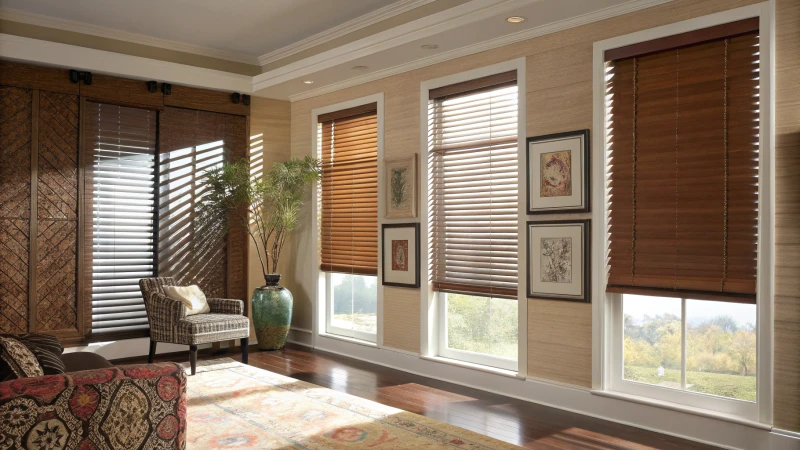

Have you ever marveled at how easily your curtains glide open with a mere tap on your phone?
Motorized curtains work thanks to a small electric motor that pulls the curtain along its track. This setup includes a motor, drive mechanism, and control module, all of which can be operated via switches, remotes, or smartphone apps.
I remember the first time I installed motorized curtains in my living room. It felt like I was living in the future. These curtains operate through an ingenious setup: a motor that silently moves them along a track. It’s not just about the cool factor, though. They offer incredible convenience and fit right into any smart home system.
Imagine waking up as sunlight gently streams through your windows, all because your curtains automatically open at the perfect moment. Or picture yourself snug on the couch, not needing to get up to draw the curtains when you’re ready for movie night. It’s about making life just that little bit easier and more enjoyable.
Motorized curtains can be controlled via smartphone apps.True
Smartphone apps provide convenient remote control for motorized curtains.
Motorized curtains require manual operation to move along the track.False
An electric motor automates the movement of motorized curtains.
What Types of Motors Are Used in Motorized Curtains?
Ever gazed at motorized curtains smoothly gliding open and wondered what’s behind their effortless charm? Let’s unravel the magic of the motors that drive these stylish innovations.
Motorized curtains typically use DC, AC, and stepper motors. DC motors are favored for quiet home settings, AC motors excel in commercial spaces needing more power, and stepper motors provide precision control. Each offers unique benefits to suit different needs.
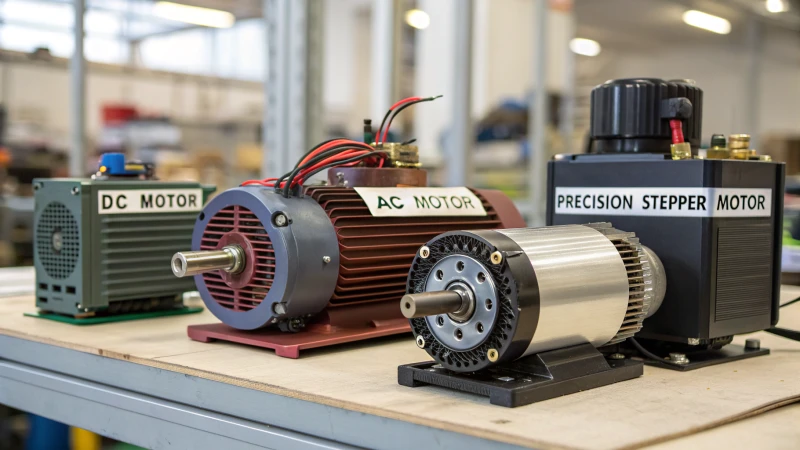
Understanding the Core Types of Motors
Motorized curtains have become a game-changer in smart home technology, and I can’t help but marvel at how seamlessly they integrate into everyday life. Imagine coming home after a long day and with just a tap on your phone or a simple voice command, your curtains close, enveloping you in a cocoon of privacy and comfort. It’s the little things like this that make life feel a bit more luxurious.
Here’s a closer look at the main types of motors used:
| Motor Type | Description | Applications |
|---|---|---|
| DC Motors | Operate on low voltage; quiet and compact | Ideal for homes, especially bedrooms and living areas |
| AC Motors | Handle higher torque; connect to mains power | Suitable for commercial spaces like theaters |
| Stepper Motors | Offer precise positioning without complex feedback | Used in precision-focused applications |
DC Motors: Quiet and Efficient
I remember the first time I installed motorized curtains with DC motors in my home office. The transformation was subtle yet profound—the curtains moved with a gentle whisper, perfect for creating an undisturbed working environment. DC motors are common in household systems because they operate quietly and efficiently on low voltage (12V or 24V), making them easy to power with adapters or battery packs. Their silent operation makes them ideal for places where peace is paramount, such as bedrooms or home offices1.
AC Motors: Power for Commercial Use
Then there’s the time I helped set up motorized curtains in a friend’s new café, which required something a bit more robust. We opted for AC motors because they could easily handle the heavier drapery needed to darken the space during sunny afternoons. These motors are designed for commercial applications needing higher power, connecting directly to mains electricity. They’re perfect for venues like auditoriums or hotel lobbies where performance is key, although they do tend to be noisier than their DC counterparts.
Stepper Motors: Precision at a Price
In specialty applications where precision is non-negotiable, stepper motors come into play. I once worked on a high-tech installation project where every inch mattered, and stepper motors offered the exact control we needed without requiring complex feedback systems. While these motors are less common in basic home setups due to their higher cost and noise level, they’re invaluable for precision-focused installations2.
Balancing Motor Type with Mechanism
Whatever motor type you choose, the drive mechanism is just as crucial. It’s fascinating how a motor shaft connects to a pulley or sprocket, moving a belt or cord along the curtain track—a dance of mechanics behind the scenes. Popular mechanisms include:
- Enclosed Belt Drives: Provide a sleek look and reduced noise.
- Cord-and-Pulley Systems: Traditional, but may need tension adjustments.
- Chain Drives: Offer robust traction for heavier curtains.
When choosing the right motor, consider both your environment’s demands and your curtain system’s specific needs. Explore various options3 to find the perfect fit for your space.
DC motors are ideal for commercial curtain systems.False
DC motors are best suited for residential settings due to their low noise.
Stepper motors provide precise control in curtain systems.True
Stepper motors offer accurate positioning, ideal for precision applications.
How Do Drive Mechanisms Influence Curtain Movement?
Ever struggled with heavy curtains refusing to glide smoothly? I have, and the secret lies in the drive mechanisms we often overlook.
Drive mechanisms in curtains, whether manual or motorized, determine their movement along tracks. Choices like belts, cords, or chains affect smoothness, noise, and installation complexity.
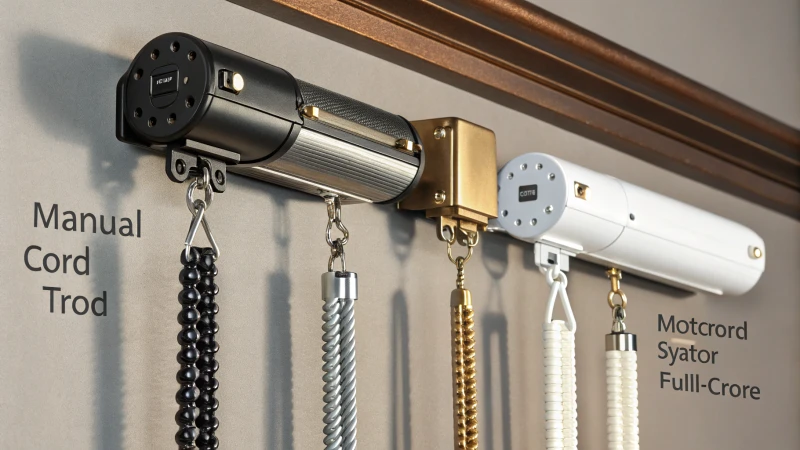
Types of Drive Mechanisms
Let’s start with the basics. When I first explored curtain systems, I was surprised by how many options there were. You’ve got your manual setups—think classic cord-and-pulley systems4, where you pull a cord to open and close the curtains. I remember the one in my childhood bedroom, which needed a good yank to get going. While they’re budget-friendly and straightforward, they do require some elbow grease and occasional tweaks to keep things running smoothly.
Then there are motorized mechanisms—these are like the VIP service of curtain systems. I’ve noticed them popping up more in homes and businesses lately. With a small motor at their heart, these systems can automatically glide curtains along the track. They can be as quiet as a whisper with DC motors or handle heavy-duty tasks with AC motors. It’s like having a personal assistant for your windows!
Belt, Cord, and Chain Systems
| Type | Advantages | Disadvantages |
|---|---|---|
| Belt | Quiet operation, concealed design | May require precise installation |
| Cord | Traditional, cost-effective | Noisier, requires tension checks |
| Chain | High durability, suitable for heavy curtains | Can be noisy and visible |
Choosing the right system is like finding the perfect pair of shoes—it all depends on your needs. Belt drives are sleek and silent, perfect for places where you need peace and quiet. Cord systems are more of a classic choice; they’re reliable but can be a bit noisy and need some upkeep. Chain drives are the workhorses here—strong and durable, making them ideal for those luxurious heavy drapes.
Influence on Installation and Maintenance
I’ve learned that the choice of drive mechanism impacts not just how the curtains move but also how they’re installed. Belt systems can be a bit finicky—they need everything lined up just right for smooth sailing. On the other hand, chain systems are more rugged but require sturdy supports.
When I was setting up curtains in my own space, it was important to consider where they’d be installed. In my quiet home office, a belt drive5 was perfect for keeping things serene. But in a bustling business environment, a chain drive might be necessary for those heavy blackout curtains.
Integration with Smart Systems
The future is here with motorized curtains that sync with smart home systems! Imagine lying in bed and closing your curtains with a simple voice command or an app on your phone. This integration brings a new level of convenience and efficiency, especially when you can automate the curtains to respond to environmental changes—like blocking out that harsh midday sun automatically. Whether it’s adjusting to light levels or syncing with your daily routine, choosing the right drive mechanism is key for seamless automation.
Motorized mechanisms are quieter than manual ones.True
Motorized systems often use quieter motors, unlike manual cord systems.
Chain drives are the quietest curtain mechanism.False
Chain drives can be noisy, unlike belt drives which are quieter.
How Can You Control Motorized Curtains?
Imagine effortlessly controlling your curtains with just a voice command or a tap on your phone. That’s the magic of motorized curtains.
Motorized curtains offer control via wall switches, remotes, smartphone apps, voice assistants, and smart home systems, providing seamless management of light and privacy.
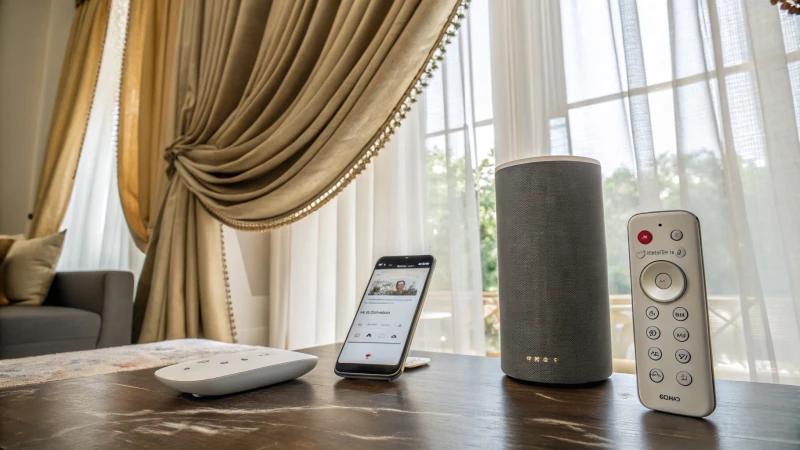
Wall Switches
Let’s start with wall switches, which remind me of the old-school charm of flipping a switch. It’s the simplest and most straightforward option. When I first got my motorized curtains, I felt a little nostalgic using these because they’re just like a regular light switch but for curtains! They’re usually installed right near the window, making it easy to open or close the curtains as you walk by.
Remote Controls
Now, if you’re like me and enjoy having options, remote controls might be more your style. I remember lounging on the couch, feeling like royalty, as I pressed a button to adjust my curtains without moving an inch. These remotes often use infrared or radio frequency signals, so you can adjust your curtains from anywhere in the room. Plus, some remotes let you save your favorite curtain positions—perfect for those cozy movie nights when you want just the right amount of light!
| Feature | Infrared Remote | Radio Frequency Remote |
|---|---|---|
| Range | Limited | Extensive |
| Obstructions | Affected | Not Affected |
Smartphone Apps
For the tech-savvy among us, smartphone apps bring curtain control into the 21st century. Imagine being able to adjust your curtains while you’re still in bed or even away from home. I’ve found that using these apps is incredibly convenient, especially when you can schedule curtain movements to match your daily routine. It’s like having a personal assistant for your windows!
Voice Assistants
Voice assistants have been a game-changer for me—especially on those lazy mornings when I don’t want to leave my bed. With a simple "Hey Alexa, open the curtains," I’m instantly greeted by sunlight streaming in. It’s like living in the future! Integration with voice-controlled devices6 really enhances accessibility and adds that extra touch of convenience.
Smart Home Integration
If you’ve already embraced smart home technology, integrating motorized curtains is a breeze. I remember connecting mine with Apple HomeKit, and now they open automatically with my morning alarm or close when it gets too sunny outside. It’s all about creating that perfect ambiance without even thinking about it.
Considerations for Choosing Control Options
Choosing how to control your motorized curtains depends on your lifestyle and existing gadgets. For me, compatibility was key; I wanted everything to work seamlessly with my current setup. So if you’re considering integrating motorized curtains7, think about what will make your life easier and more enjoyable.
In essence, motorized curtain controls are all about personal preference and convenience. Whether you prefer the tactile feel of a switch, the ease of a remote, or the futuristic flair of voice commands and smartphone apps, there’s an option that fits perfectly into your home and lifestyle.
Wall switches provide programmable settings for curtains.False
Wall switches offer basic functions, not programmable settings.
Smartphone apps allow curtain control from anywhere.True
Apps use Bluetooth or Wi-Fi for remote curtain control.
How can motorized curtains blend into your smart home setup?
Have you ever imagined your curtains closing themselves as you settle down for a cozy movie night? That’s the magic of motorized curtains!
Motorized curtains integrate with smart home systems using wireless protocols like Wi-Fi or Zigbee. This setup allows control via smartphone apps, voice assistants, or automation hubs, enabling users to schedule operations or respond to environmental cues effortlessly.
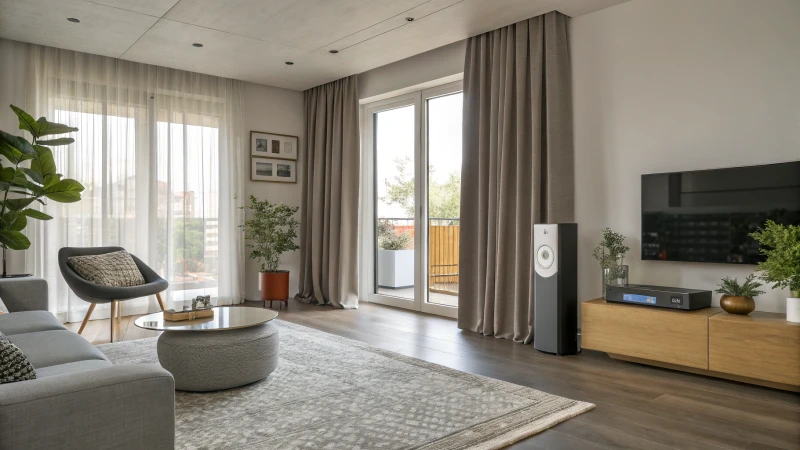
Understanding Wireless Communication Protocols
Integrating motorized curtains into my smart home was like giving my living room a tech makeover. These curtains connect through wireless protocols—Wi-Fi, Bluetooth, Zigbee, and Z-Wave. Each has its perks. I found Wi-Fi systems8 handy for controlling my curtains remotely while away from home, thanks to direct internet access. On the other hand, Zigbee and Z-Wave are stars in creating mesh networks that boost reliability and coverage.
Integrating with Voice Assistants
I remember the first time I said, "Alexa, open the curtains," and watched them glide open like magic. Integrating my curtains with voice assistants like Amazon Alexa, Google Assistant, or Apple HomeKit has been a game-changer. It usually involves setting up a compatible hub or bridge to act as a go-between, but once that’s done, you’re all set for hands-free control.
The Role of Automation Hubs
Automation hubs are like the brain of my smart home, connecting different devices to work in harmony. Imagine starting a movie on your smart TV and having the curtains close automatically for that perfect theater feel—that’s the kind of seamless experience a smart hub9 can deliver. These hubs let me create custom routines tailored to my lifestyle.
Scheduling and Environmental Responsiveness
One of the joys of modern motorized curtains is their scheduling feature through associated apps. I set mine to open at sunrise to welcome natural light and close at dusk for privacy. Some systems even respond to environmental changes—closing if it gets too sunny to keep the room cool or opening during cloudy days to let in more light.
| Feature | Description | Example |
|---|---|---|
| Scheduling | Pre-set times for curtain movement | Open at sunrise daily |
| Voice Control | Operate curtains via voice commands | "Hey Google, close the curtains" |
| Environmental Sensors | Adjust based on weather or light conditions | Close during intense sunlight |
By understanding these features, I’ve maximized my smart home’s potential, turning motorized curtains into a perfect blend of convenience and energy efficiency in my everyday life.
Motorized curtains use Zigbee for mesh network creation.True
Zigbee is known for creating reliable mesh networks, ideal for smart homes.
Voice assistants require no hub for curtain control.False
A compatible hub or bridge is often needed for voice assistant integration.
Conclusion
Motorized curtains utilize electric motors for automated movement along tracks, controllable via switches, remotes, or smartphone apps, enhancing convenience and integrating seamlessly into smart home systems.
-
Discover why DC motors are favored for their quiet operation and efficiency in residential settings. ↩
-
Learn about the advantages of stepper motors in applications requiring high precision. ↩
-
Compare different drive mechanisms to see which best suits your motorized curtain needs. ↩
-
Understanding how cord-and-pulley systems function can help in maintaining or choosing traditional curtain setups. ↩
-
Exploring belt drive benefits can aid in selecting quieter and aesthetically pleasing curtain systems. ↩
-
Explore how voice-controlled devices enhance accessibility and ease of use for motorized curtain systems. ↩
-
Discover the benefits of integrating motorized curtains with existing smart home platforms for seamless automation. ↩
-
Wi-Fi-enabled curtains offer remote access from anywhere with internet, enhancing convenience and flexibility for users. ↩
-
A smart hub connects and manages various devices in a smart home, enabling seamless interaction and control. ↩